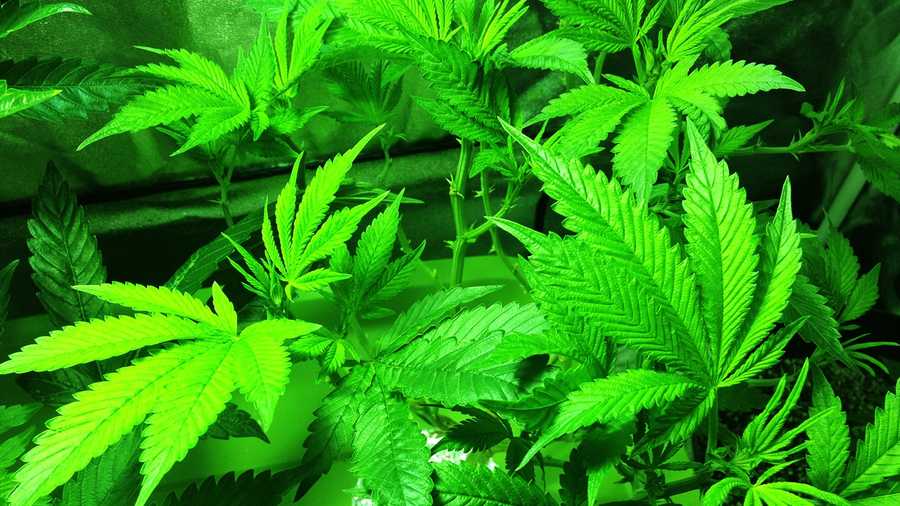
From Rogaine to hair transplants and microneedling, several tried-and-true methods to address hair loss Cannabiz have been developed over the years for men and women. Now some individuals who experience hair loss are turning their attention to a new potential treatment: cannabidiol, also known as CBD.
CBD’s hair growth research is still in its early days, but CBD and hair loss experts alike are optimistic about its future. Read on to learn more about what scientific trials have found so far, the potential pros and cons and expert recommendations on using CBD for hair growth.
What Does Research Say About CBD for Hair Growth?
CBD is an organic compound found in cannabis plants that doesn’t have psychoactive effects (unlike tetrahydrocannabinol, or THC) and has proven to have several therapeutic benefits like pain relief, anti-anxiety and anti-inflammation.
Although hair care products that include CBD are available, there aren’t many studies on using CBD for hair growth. But the limited research does show some increase in hair count after months of use.
A 2021 study testing a CBD extract paste in 35 participants diagnosed with androgenetic alopecia (otherwise known as AGA, a common form of hair loss) showed an overall increase of 93.5% in hair count after six months—the average daily dose that showed results was 33 mg of hemp extract, which had 60% CBD. The best results were seen on the top of the scalp in male participants.[1]
A 2023 follow-up study tested a hemp oil containing high concentrations of not only CBD, but of additional cannabinoids (the compounds found in the cannabis plant) tetrahydrocannabivarin (THCV) and cannabidivarin (CBDV). All participants experienced hair growth, with men experiencing an average 246% increase and women showing a 127% increase.
Researchers in the follow-up study note that their cannabinoid oil made with the additional cannabinoids THCV and CBDV outperformed oral finasteride (a common hair loss treatment in men), 5% minoxidil (known by the brand name Rogaine) once daily foam and CBD-only topical extract, and that the hemp oil could be used alongside finasteride or minoxidil.[2]
However, though some research supports CBD use for hair growth, a 2022 meta-review published in The Journal of Cosmetic Dermatology notes other phytocannabinoids (such as THC, CBN, CBG, CBC, THCV and CBDV) could lead to hair loss. The review also found that very high and very low concentrations of CBD could cause hair loss and notes that the ideal concentration needs to be identified by researchers.[3]
The formulation was made of a whole plant extract (CBD 60.00%, CBDV 12.63%, THCV 3.71%, delta 9 THC 0.18%, cannabigerol 0.86%, and cannabinol 0.05%). This hemp extract was independently analyzed by ACS Laboratory, Sun City Center, Florida. Each one ounce of the formulation contained active ingredients of 1 g of this hemp extract, 5 g of menthol, 600 g of peppermint oil-infused into a vehicle of 5 g of ethanol, 600 g of Emu oil and 14.9 g of Hexafluoroacetone (HFA) 134A (1,11,2-tetrafluoroethane) propellant, and 900 ml of dimethicone. The one-ounce foam spray or tincture lasted approximately 1 month on average. This is an average daily dose of 33 mg of topically applied hemp extract.
 Site Title
Leave a comment